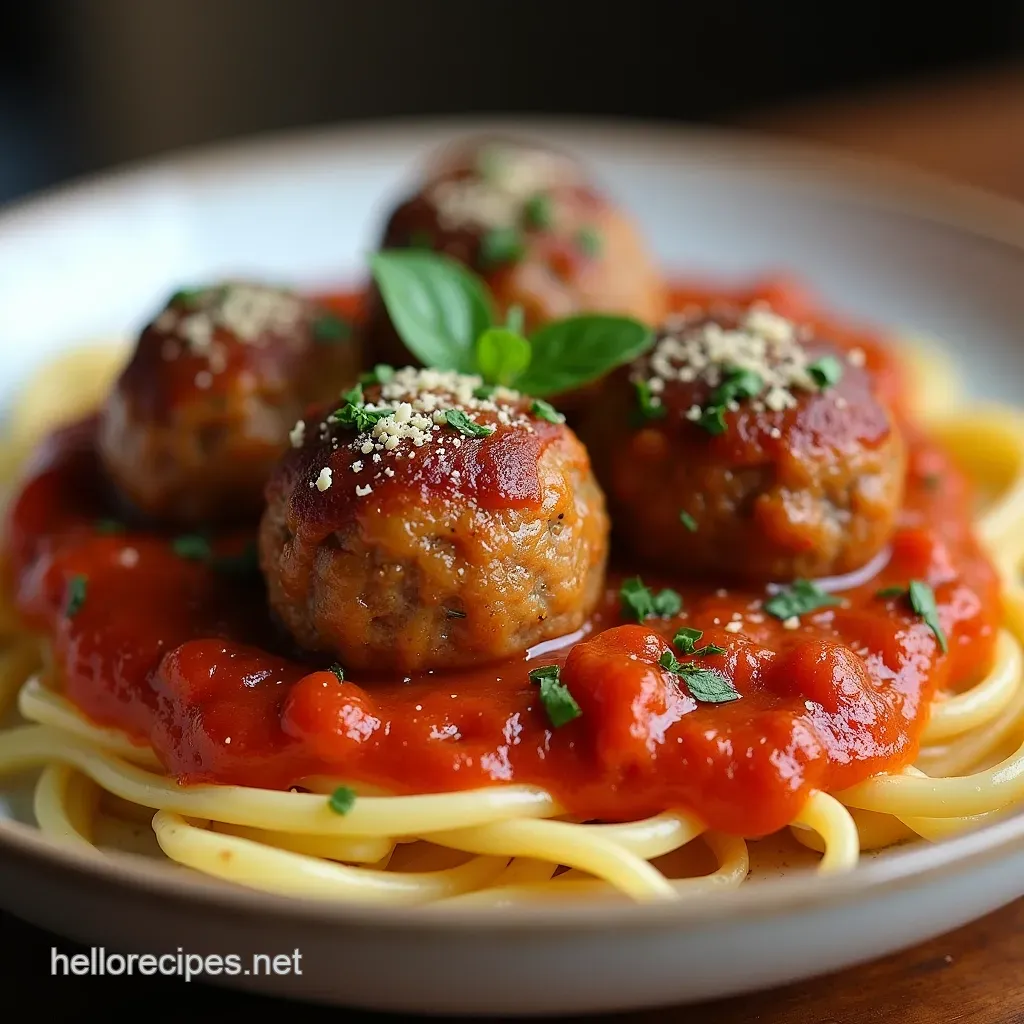
Bake, Don't Fry: Your Guide to Quick, Mess-Free Italian Meatballs + Freezing Tips
Tired of the splattering oil and constant turning that comes with frying meatballs? Imagine a world where perfectly tender, incredibly flavorful Italian meatballs emerge from your oven, beautifully browned and ready to be bathed in your favorite sauce, all with minimal fuss and cleanup. Welcome to the world of
baked meatballs! This comprehensive guide will not only unlock the secrets to creating juicy, aromatic Italian meatballs without the mess, but also equip you with savvy freezing tips for ultimate meal-prep convenience. Get ready to transform your weeknight dinners and impress your family with these homemade delights.
Why Bake Your Meatballs? The Ultimate Convenience & Flavor
For generations, frying has been the go-all method for browning meatballs, but it's time to embrace a superior technique: baking. The benefits are numerous and compelling, making oven-baked meatballs a game-changer for home cooks.
Firstly,
convenience is paramount. Baking eliminates the need to stand over a hot stove, meticulously turning each meatball to ensure even browning. Instead, you simply arrange them on a baking sheet, slide them into the oven, and let the dry heat work its magic. This hands-off approach frees you up to focus on creating a rich, rustic marinara sauce or preparing complementary sides.
Secondly, say goodbye to kitchen chaos! Frying invariably leads to grease splatter, making cleanup a chore. Baking, however, keeps the mess contained to a single baking sheet, often lined with parchment paper for even easier washing. It's a truly
mess-free solution that will have you wondering why you ever bothered with a frying pan.
Finally, and perhaps most importantly, baking delivers exceptional flavor and texture. A hot oven seals in the juices, resulting in incredibly moist and tender meatballs. The even heat circulation promotes a beautiful, uniform browning that contributes a desirable caramelized crust, enhancing the overall taste without the added oil absorption often associated with frying. It's a healthier, more efficient, and ultimately more delicious way to prepare this classic Italian comfort food.
Crafting the Perfect Italian Baked Meatball: Texture & Flavor Secrets
Achieving that quintessential Italian meatball – soft, tender, and bursting with robust flavor – might seem challenging, but it’s surprisingly simple with the right approach. It all comes down to two crucial elements: texture and flavor.
The Foundation: Quality Ingredients & Smart Mixing
Great meatballs begin with a great meat mixture. While a blend of beef, pork, and veal offers a truly authentic and rich flavor profile, using quality ground beef (around 80/20 lean-to-fat ratio) works wonderfully too. The fat content is key for moisture.
To infuse that classic Italian essence, don't skimp on aromatics and herbs. Finely minced onion and garlic are non-negotiable, providing a foundational layer of savory depth. Fresh herbs, such as parsley or basil, are absolutely essential for bright, herbaceous notes. Feel free to experiment with a touch of oregano or thyme, too, depending on what you have on hand and your personal preference. Season generously with salt, freshly cracked black pepper, and a pinch of red pepper flakes for a subtle kick if you like.
The secret to incredibly juicy, moist meatballs every single time lies in an unexpected ingredient:
milk. Just a splash (or even a little broth) mixed into the meat acts as a tenderizer, keeping the meatballs from becoming tough or dry. This is a technique also employed in creating perfectly moist meatloaf. An egg serves as the binder, holding the mixture together, while breadcrumbs (Panko for a lighter texture or fresh breadcrumbs for a denser bite) contribute to their light and spongy consistency. Finally, freshly grated Parmesan cheese not only adds a salty, umami kick but also assists in binding the ingredients.
When combining your ingredients, resistance is key. Overmixing is the enemy of tender meatballs! Gently incorporate everything with your hands (gloves are handy if you prefer not to touch raw meat) or a wooden spoon until just combined. You should still be able to see distinct pieces of ground meat. Overworking the mixture can lead to dense, tough meatballs, so handle with care.
Rolling for Success
Once your mixture is ready, it's time to roll. For uniform cooking and presentation, aim for consistently sized meatballs. A small cookie scoop or an ice cream scoop can be an invaluable tool for this. To prevent the meat from sticking to your hands, lightly oil them before you start rolling, or generously spray the formed meatballs with cooking oil spray. This not only makes the process easier but also adds a little extra moisture to each meatball, contributing to that desirable golden-brown crust.
Baking Your Meatballs to Golden Perfection
Now for the main event: baking those beautifully crafted meatballs. Achieving that perfect balance of a tender interior and a slightly crisp, browned exterior is simple with these steps.
Preheat your oven to a robust temperature, typically between 375°F and 410°F (190°C to 210°C). A higher temperature ensures a good sear and quick cooking, preventing the meatballs from drying out. Line a baking sheet with parchment paper for non-stick baking and effortless cleanup.
Arrange your meatballs in a single layer on the prepared baking sheet, ensuring they are not overcrowded. Giving them space allows the heat to circulate properly, promoting browning rather than steaming. Overcrowding can lead to grey, steamed meatballs instead of gorgeously golden ones.
Bake for approximately 15-25 minutes, depending on the size of your meatballs and your oven's specific heat. The most critical step for food safety is to ensure they reach an internal temperature of at least 165°F (74°C). Use an instant-read thermometer inserted into the center of a meatball to verify doneness. For an extra golden-brown finish, you can switch your oven to broil for the last 1-2 minutes, keeping a close eye on them to prevent burning. This quick burst of high heat enhances the Maillard reaction, developing deeper flavors and an appealing crust.
Once baked, these delightful meatballs are ready for their starring role. Whether you simmer them in a vibrant marinara sauce for classic pasta dishes, pile them into a crusty sub roll with melted provolone, or serve them as appetizers, their tender texture and rich flavor will be a guaranteed hit. For more detailed insights on achieving the perfect texture and exploring versatile ways to use your homemade meatballs, check out these related articles:
Easy Italian Baked Meatballs: Juicy, Tender & Freezer-Friendly and
Unlock Tender Baked Meatballs: Secrets for Juiciness & Perfect Texture.
Mastering Meatball Meal Prep: Storage & Freezing Tips
One of the greatest advantages of making a batch of homemade meatballs is their incredible freezer-friendliness. Whether you’re cooking for one or a crowd, having a stash of ready-to-go meatballs is a game-changer for quick, delicious meals.
Refrigeration
For immediate use or short-term storage, allow your baked meatballs to cool completely. Then, transfer them to a shallow, airtight container and store them in the refrigerator. They will remain fresh and delicious for up to three to four days.
Freezing Cooked Meatballs (Flash Freeze Method)
This method is ideal for preventing meatballs from clumping together in the freezer, allowing you to easily grab just the amount you need.
1.
Cool Completely: Ensure your baked meatballs are thoroughly cooled to room temperature.
2.
Flash Freeze: Arrange the cooled meatballs in a single layer on a baking sheet (you can use the same one you baked them on, lined with parchment paper). Place the baking sheet in the freezer for a few hours, or until the meatballs are completely solid. This step ensures they won't stick together.
3.
Transfer & Store: Once frozen solid, transfer the meatballs to a freezer-safe bag or an airtight freezer container. Squeeze out as much air as possible from bags to prevent freezer burn.
4.
Label: Don't forget to label the container or bag with the date.
5.
Shelf Life: Frozen cooked meatballs will maintain their best quality for up to three months.
To reheat, you can thaw them overnight in the refrigerator, then simmer them gently in your favorite sauce until heated through. Alternatively, add them directly from frozen into a simmering sauce, allowing extra time for them to heat. They can also be microwaved or reheated in the oven.
Freezing Uncooked Meatballs
For ultimate flexibility, you can also freeze your meatballs before cooking them. This is perfect for those who want that "freshly cooked" taste on demand.
1.
Form & Flash Freeze: Follow the same flash-freezing process as with cooked meatballs: form them, arrange them on a baking sheet, and freeze until solid.
2.
Store: Transfer the frozen raw meatballs to a freezer-safe bag or container, label, and store for up to three months.
To cook from frozen, simply place them on a baking sheet and bake at a slightly lower temperature (e.g., 350°F / 175°C) for a longer duration, ensuring they reach 165°F (74°C) internal temperature. You can also cook them on the stove directly from frozen, simmering them in sauce until cooked through. This method is incredibly convenient for whipping up a quick dish on busy weeknights, offering all the flavor of homemade with none of the prep work.
Conclusion
Embracing the "bake, don't fry" philosophy for your Italian meatballs is a culinary revelation. It's a method that promises less mess, more convenience, and most importantly, consistently tender, flavorful results. From carefully selecting your ingredients and mixing them just right, to baking them to golden perfection and mastering the art of freezing, you now have all the tools to create irresistible homemade Italian meatballs that will delight every palate. So, roll up your sleeves, preheat that oven, and get ready to enjoy the simple pleasure of truly exceptional homemade meatballs – made easy, the baked way!