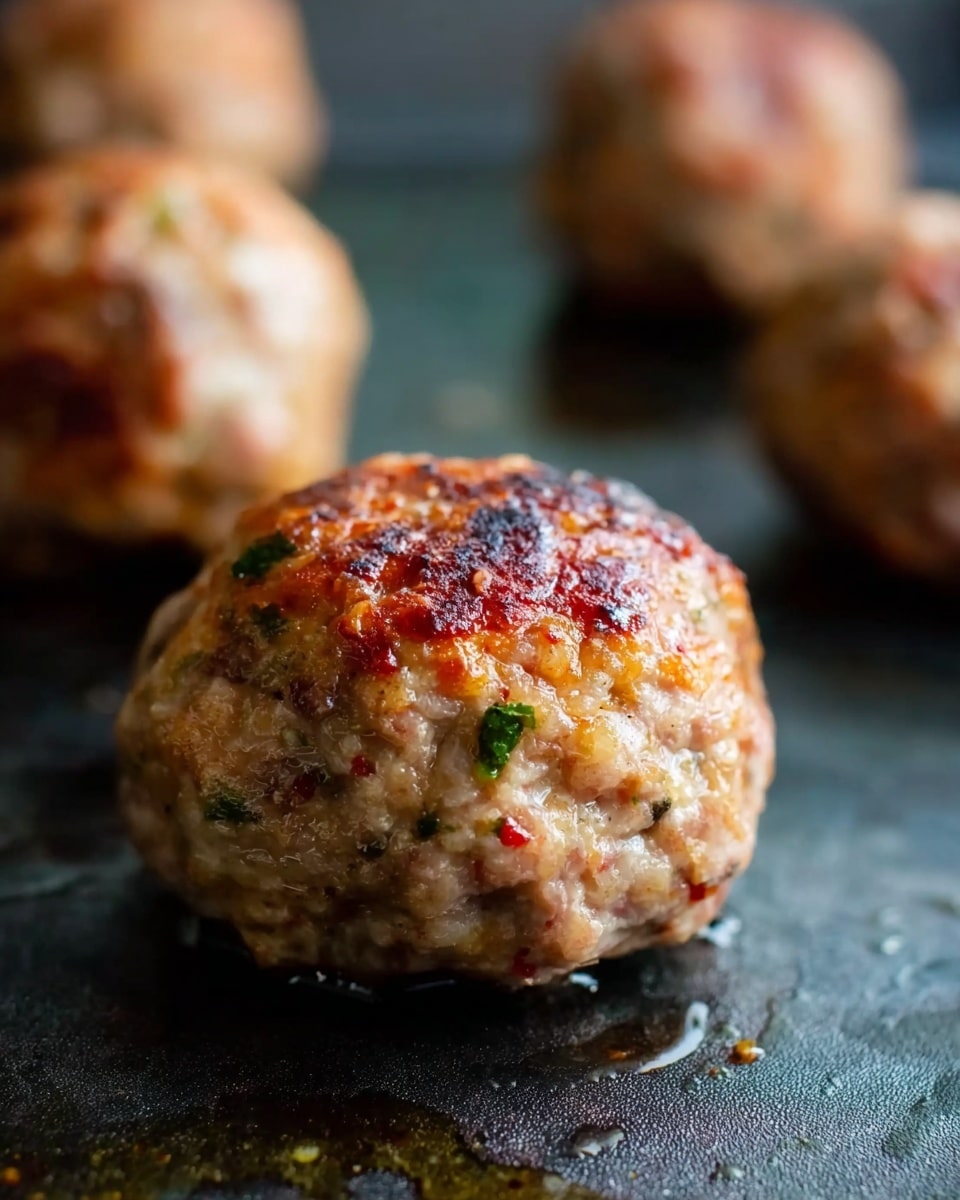
Unlock Tender Baked Meatballs: Secrets for Juiciness & Perfect Texture
There's a universal comfort in a plate of perfectly cooked meatballs, simmering in a rich, rustic sauce. Yet, for many home cooks, achieving that elusive balance of tenderness, juiciness, and incredible flavor can feel like a culinary challenge. The fear of dry, tough meatballs often leads to pre-made alternatives or an avoidance of the dish altogether. But what if we told you the secret lies not in endless stovetop frying, but in the simplicity and efficiency of your oven? Welcome to the world of easy Italian baked meatballs – a game-changer that promises a mess-free process and results so profoundly delicious, you'll wonder why you ever did it any other way. Baking meatballs eliminates the greasy splatters and constant flipping associated with frying, allowing them to cook evenly, seal in their natural juices, and develop a beautiful exterior without sacrificing interior moisture. This method is not just about convenience; it's a strategic approach to crafting meatballs that are consistently tender and bursting with flavor. If you're ready to ditch dry meatballs forever and embrace a technique that yields restaurant-quality results in your own kitchen, read on.The Anatomy of a Truly Exceptional Meatball: Texture & Flavor
Before we dive into the "how-to," let's dissect what makes a meatball truly stand out. It boils down to two critical elements: **texture and flavor**. A great meatball should be light, yielding, and melt-in-your-mouth tender, never dense or rubbery. Simultaneously, it must deliver a robust, well-rounded flavor profile that excites the palate with every bite. Achieving this balance starts with a foundation of high-quality ingredients and meticulous seasoning. For classic Italian baked meatballs, aromatics like finely minced onion and garlic are indispensable, providing a fragrant base. Fresh herbs, such as parsley or basil (depending on seasonal availability and preference), infuse vibrant, authentic notes. Don't be shy with your seasoning beyond just salt and pepper; a thoughtful blend of dried herbs like oregano, thyme, or even a pinch of red pepper flakes can elevate the flavor complexity dramatically. Remember, the goal is to build flavor into the meat mixture itself, ensuring every single meatball is a powerhouse of taste, even before it hits the sauce.Mastering the Meat Mixture: The Key to Juicy Baked Meatballs
The journey to incredibly juicy baked meatballs hinges significantly on your choice of ingredients and, crucially, your mixing technique. This is where many go wrong, leading to tough, dry results.Ingredient Synergy for Moisture and Lightness
- The Meat Blend: While ground beef is common, a blend often yields the best results. A classic Italian mix typically combines equal parts ground beef, pork, and sometimes veal. The fat content from pork contributes significantly to moisture and flavor, while veal adds a delicate tenderness. Aim for a mix with about 80/20 lean-to-fat ratio for optimal juiciness.
- The Unsung Hero: Milk (or Cream): This is arguably the *secret weapon* for consistently moist and tender meatballs. Adding a splash of milk (whole milk works best) to your meat mixture, much like in a classic meatloaf, ensures incredible moisture. The dairy fat and protein help tenderize the meat and keep it from drying out during cooking.
- Binders for Structure and Sponginess: Eggs and breadcrumbs are essential. Eggs act as a binder, holding everything together and adding to the light, spongy texture. Breadcrumbs, particularly fresh breadcrumbs soaked in milk, absorb and retain moisture, preventing the meatballs from becoming too dense. Stale bread, processed in a food processor, works wonderfully, but quality store-bought plain breadcrumbs are also fine. Avoid seasoned breadcrumbs if you want full control over your flavor profile.
- Parmesan Cheese: Beyond flavor, grated Parmesan adds a salty, savory depth that enhances the overall taste and contributes to a slightly lighter texture.
The Gentle Touch: Mixing Technique Matters
One of the most common mistakes is overmixing the meatball mixture. Aggressively kneading the meat activates proteins, leading to a tough, dense texture. The goal is to incorporate the ingredients just until they are combined.Here’s how to do it right:
- Combine all non-meat ingredients (breadcrumbs, milk, egg, cheese, herbs, spices, aromatics) in a large bowl first. This ensures even distribution.
- Add the ground meat(s) to the bowl.
- Using your hands (gloves are great if you prefer not to touch raw meat) or a wooden spoon, gently mix the ingredients. **The key is to use a light touch.** Mix just until everything is incorporated and no distinct pockets of unmixed ingredients remain. You should still be able to see full pieces of ground meat – don't mush it into a paste.
- Once mixed, roll your meatballs. For uniform cooking, aim for roughly the same size (e.g., golf ball size). Lightly oiling your hands or using a cooking oil spray on them can prevent the meat from sticking, while also adding a touch more moisture to the exterior of each meatball. Alternatively, you can spray the formed meatballs generously with cooking oil before baking.
Baking to Perfection: Temperature, Time & Browning Strategies
Now that you've crafted your perfect meatball mixture, it's time to let the oven work its magic. The baking process is straightforward, but a few key details ensure optimal results.The Ideal Oven Environment
The consensus on the ideal baking temperature for meatballs can vary slightly, but two popular approaches yield excellent results:- Lower & Slower (350°F / 175°C): Baking at 350°F for about 25-30 minutes allows the meatballs to cook through gently, ensuring tenderness. This temperature is forgiving and consistent, reaching an internal temperature of at least 165°F (74°C).
- Higher & Faster with a Broil Finish (410°F / 210°C): For those who like a quicker bake and a more pronounced browning, a higher temperature of 410°F for about 12 minutes works wonderfully. To achieve a beautiful, crispy exterior and seal in juices, consider finishing them under the broiler for the last 1-2 minutes. Keep a close eye on them during this stage to prevent burning!
Preventing Steam, Encouraging Browning
Beyond the Bake: Pairing, Storing, and Freezing Brilliance
Once your baked meatballs emerge from the oven, beautifully browned and fragrant, the culinary possibilities are endless.The Perfect Sauce Companion
While delicious on their own, baked meatballs truly shine when simmered briefly in a robust sauce. This allows them to absorb even more flavor and become incredibly moist. A simple yet rich Marinara sauce is a classic choice:- Start with sautéed aromatics (onion, garlic).
- Add canned crushed tomatoes, tomato paste for depth, a pinch of sugar (to cut acidity), herbs (oregano, basil), salt, pepper, and a touch of chili flakes for a subtle kick.
- Simmer gently until the sauce thickens, then introduce your baked meatballs for 10-15 minutes to allow them to soak up all that goodness.
Smart Storage and Freezing for Future Feasts
One of the greatest advantages of making homemade baked meatballs is their excellent storage and freezer-friendliness, making them ideal for meal prep.- Refrigeration: Store leftover baked meatballs in a shallow, airtight container in the refrigerator for up to four days.
- Freezing Cooked Meatballs: This is a lifesaver for busy weeks.
- Once cooked, allow the meatballs to cool completely.
- Flash freeze them by spreading them in a single layer on a baking sheet. Freeze for a few hours or overnight until solid. This prevents them from sticking together.
- Transfer the frozen meatballs to a freezer-safe bag or container. They will keep well for up to three months.
- To reheat, you can thaw them in the fridge overnight and then warm them gently in sauce on the stovetop, or bake them from frozen at 350°F (175°C) until heated through, often within 20-30 minutes.
- Freezing Uncooked Meatballs: You can also prepare the meat mixture, roll the meatballs, and freeze them raw. Flash freeze them as described above, then store. When ready to cook, you can often cook them directly from frozen on the stovetop or in the oven, extending the cooking time appropriately. This offers incredible flexibility for fresh-cooked meals on demand.
